
A conventional mortgage, backed by private lenders, offers lower interest rates (avg. 6.5% for 30-year fixed) with higher down payments (4%-20%). Key eligibility factors include strong credit score (>740), low loan-to-value ratio (<80%), stable income & employment, and manageable debt-to-income ratio. To secure best terms, homeowners should improve credit, reduce debt, maintain stable employment, and compare lender offers based on rates, fees, and loan limits. Comparing conventional mortgage lenders is crucial for significant rate differences, with fixed rates offering stability while adjustable rates (ARMs) start lower but may fluctuate. Thorough comparison shopping and reputable lender selection maximize approval chances and long-term financial health.
In the modern landscape of homeownership, understanding financing options is more crucial than ever for prospective homeowners. Among the sea of choices, the conventional mortgage stands as a cornerstone for many seeking to realize their dream of property ownership. However, navigating these complex financial instruments can be a daunting task, often riddled with industry jargon and intricate details. This article serves as your authoritative guide, demystifying the conventional mortgage process, empowering homeowners-to-be to make informed decisions, and ensuring a solid foundation for their financial future. By the end, you’ll possess the knowledge to confidently traverse this essential step in the journey towards homeownership.
Understanding Conventional Mortgages: An Overview for Homeowners

A conventional mortgage is a type of home loan backed by a variety of financial institutions, including banks, credit unions, and mortgage specialists. Unlike government-backed loans like FHA or VA mortgages, these loans are not insured by any governmental agency, which means they typically require higher down payments but offer lower interest rates. Understanding conventional mortgages is crucial for homeowners aiming to secure financing for their properties without government backing.
When considering a conventional mortgage, comparing different lenders is essential to ensure you get the best terms and rates. Factors like credit score, loan-to-value ratio, and closing costs can vary significantly from one lender to another. For instance, according to recent data, the average interest rate for a 30-year fixed conventional mortgage stands at approximately 6.5%, but rates can range from 4% to 8% depending on the lender and your financial profile. A strategic approach to lender comparison can save you thousands of dollars over the life of your loan.
To maximize the benefits of a conventional mortgage, homeowners should focus on maintaining or improving their credit score, aiming for a down payment that reduces the loan-to-value ratio, and understanding all associated costs. By doing so, they can secure more favorable terms and have greater financial flexibility in the long run. Remember, selecting the right conventional mortgage lender is as much an art as it is a science, requiring thorough research and comparison to find the best fit for your unique circumstances.
Eligibility Criteria: Meeting Requirements for a Conventional Loan
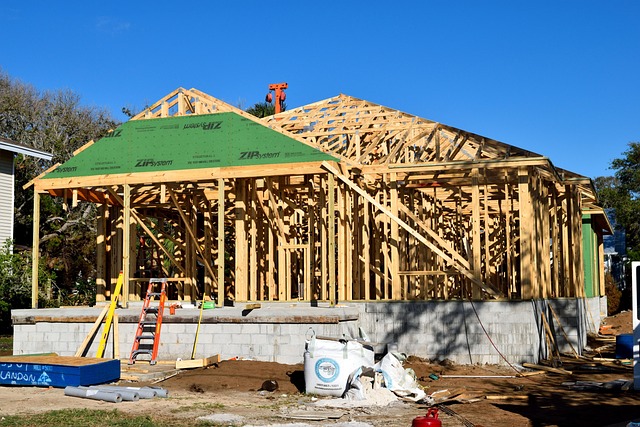
The path to homeownership often involves navigating various financing options, with a conventional mortgage being one of the most common choices. However, securing this type of loan requires meeting specific eligibility criteria set by conventional mortgage lenders. Understanding these requirements is essential for prospective homeowners aiming for a seamless and successful borrowing experience.
Several key factors influence an individual’s eligibility for a conventional mortgage. Credit history plays a pivotal role; lenders typically seek a solid credit profile demonstrated through consistent on-time payments, minimal debt, and an established credit mix. FICO scores above 740 are often favored, though the exact threshold varies among lenders. Additionally, lenders assess the loan-to-value (LTV) ratio, which compares the proposed mortgage amount to the property’s value. A lower LTV, generally below 80%, increases borrower credibility and may result in more favorable terms. Down payment requirements also differ but commonly range from 5% to 20% of the purchase price. Demonstrating a substantial down payment can enhance a borrower’s standing significantly during the conventional mortgage lender comparison process.
Conventional mortgage lenders carefully evaluate income and employment stability as part of their eligibility criteria. Stable, verifiable income sources are crucial, with consistent employment history preferred. Lenders may request tax returns, pay stubs, and other financial documentation to substantiate these factors. Furthermore, lenders assess debt-to-income ratios (DTI) to ensure borrowers can comfortably handle monthly loan payments alongside other financial obligations. A responsible borrowing approach, demonstrated through prudent debt management, reinforces a borrower’s position when seeking a conventional mortgage from various lenders.
To maximize chances of approval and secure the best terms, homeowners should focus on improving their credit score, reducing debt, and ensuring stable employment. Engaging in these practices not only strengthens eligibility for a conventional mortgage but also fosters long-term financial health. When comparing offers from different conventional mortgage lenders, borrowers can navigate the market effectively by considering not just interest rates but also fees, loan limits, and the overall borrower experience, ultimately selecting a lender that aligns with their needs and goals.
The Application Process: Step-by-Step Guide to Borrowing

The process of obtaining a conventional mortgage for homeowners involves several key steps, each requiring careful consideration and documentation. It’s a journey that demands preparation and a thorough understanding of your financial position. Let’s break down the application process into a comprehensive guide to help you navigate this path with confidence.
Firstly, prospective borrowers should gather essential financial documents, including pay stubs, tax returns, and bank statements. These documents are pivotal in demonstrating your income, assets, and overall financial health to the conventional mortgage lender. A strong credit history is also crucial; lenders will scrutinize your credit score and report to assess risk. Many lenders offer pre-approval, which involves a preliminary review of your financial information. This step can provide valuable insights into your borrowing capacity and gives you a competitive edge in the housing market.
During the application, borrowers will need to provide detailed information about the property they intend to purchase. This includes addressing, property type, and any unique features or improvements. A conventional mortgage lender will thoroughly evaluate the property’s value, often employing professional appraisers to ensure accuracy. This process, known as underwriting, involves a rigorous analysis of your financial situation and the property’s worth. Lenders compare these factors to ensure the loan aligns with their risk parameters. For instance, they may consider your debt-to-income ratio, ensuring it falls within acceptable limits.
Comparing different conventional mortgage lenders is a strategic move. It allows borrowers to secure the best terms, rates, and fees. Each lender has its own criteria and offerings, so shopping around can yield significant advantages. Websites and comparison tools can facilitate this process by providing side-by-side information on loan products, making it easier to find the most suitable conventional mortgage for your needs.
Interest Rates and Terms: Exploring Options for Your Budget

When exploring a conventional mortgage, understanding interest rates and terms is crucial for making an informed decision that aligns with your financial goals and budget. Interest rates, expressed as a percentage, directly impact how much you pay over the life of your loan. Conventional mortgage lenders typically offer a variety of rate options, including fixed and adjustable rates. For example, a 30-year fixed-rate mortgage offers stability with consistent monthly payments, while an adjustable-rate mortgage (ARM) may start lower but can fluctuate based on market conditions.
Terms, or the length of your loan, also play a significant role in your overall cost. Shorter terms generally result in higher monthly payments but less interest paid over time. Conversely, longer terms reduce your monthly burden but extend the period during which you pay interest. A conventional mortgage lender comparison is essential here; examining rates and terms from different lenders can reveal substantial differences. According to recent data, a 30-year fixed rate conventional mortgage averages around 3.5%, while ARMs might start as low as 2.75%, depending on market trends.
To optimize your budget, assess your financial comfort level with monthly payments and consider your potential for future rate fluctuations or improvements. A conventional mortgage lender comparison should also factor in closing costs, credit score requirements, and other fees, which can vary between lenders. By understanding these nuances and performing diligent research, homeowners can secure the best possible terms for their conventional mortgage, ensuring long-term financial health and peace of mind.
Benefits and Considerations: Weighing the Pros and Cons

A conventional mortgage is a traditional financing option for homeowners, typically offered by private lenders, banks, or credit unions. When considering a conventional mortgage, it’s crucial to weigh both the benefits and considerations involved in this type of loan. This analysis can help you make an informed decision that aligns with your financial goals. One significant advantage is accessibility; conventional mortgages often require a lower down payment compared to government-backed loans, making homeownership more attainable for many individuals. For instance, some programs allow for as little as 3% down, which can be especially beneficial for first-time buyers.
Moreover, these mortgages generally offer competitive interest rates, which can result in significant savings over the life of the loan. However, the lending standards and requirements can vary among conventional mortgage lenders, necessitating a thorough comparison. Researching and selecting a reputable lender who suits your needs is essential; comparing interest rates, fees, and terms from multiple conventional mortgage lenders can help ensure you secure the best possible deal. Data suggests that shopping around for mortgages can save borrowers hundreds of thousands of dollars over 30 years.
On the consideration front, it’s vital to account for potential restrictions on loan-to-value ratios, which may impact borrowing capacity. Additionally, conventional mortgages usually require a strong credit history and proof of stable employment, which might be challenging for those with less-than-perfect credit or non-traditional work arrangements. Nonetheless, maintaining good financial discipline and addressing any credit concerns can make a significant difference in the approval process. Remember, while a conventional mortgage offers numerous advantages, thorough research and comparison are key to making this financing option work best for you.